A Group Program Based on Mind-Body Medicine (MBM)
Trauma Recovery
A structured and supportive space to better understand mind-body responses, strengthen self-regulation, and rebuild a more conscious connection with yourself.
Trauma and Its Impact on Mind and Body
Traumatic experiences and intense or prolonged stress affect not only our thoughts and emotions, but also the body, nervous system, sense of safety, and even the way we relate to ourselves and others. When we face threat, the body activates survival responses such as fight, flight, freeze, or adapting to the threat in order to protect us.
Sometimes these responses continue even after the danger has passed. They may appear as anxiety, persistent hypervigilance, sleep difficulties, physical tension or pain, fatigue, difficulty concentrating, or a sense of disconnection from ourselves or others.
At times, we may live with psychological pressure and stress for a long period, encountering one difficult experience or crisis before having enough time to recover from the previous one. In these circumstances, the mind and body can remain in a prolonged state of alert, with limited opportunity to restore a sense of safety and return to balance.
Because trauma affects the mind and body as an interconnected system, recovery cannot be limited only to thoughts, cognition, or talking about past experiences. Contemporary trauma-informed approaches recognize the close relationship between mind and body and aim to support people in rebuilding a sense of safety, developing greater awareness of bodily experience, and strengthening the capacity for nervous system regulation.
Mind-Body Medicine is one such approach. It supports greater self-awareness, more effective regulation of stress responses, and the strengthening of inner resources for coping with the effects of trauma and other difficult experiences.
The Approach
What Is Mind-Body Medicine?
Mind-Body Medicine is an integrative, evidence-informed approach that focuses on the interconnected relationship between the mind, body, emotions, and human relationships in the process of trauma recovery.
The model used in this program was developed by The Center for Mind-Body Medicine (CMBM) in the United States and has been used for more than three decades in diverse communities to support mental health, trauma processing, and recovery, particularly following humanitarian crises such as war and forced migration.
This approach is based on the understanding that, through learning and practicing mind-body skills in a safe and supportive environment, people can develop greater awareness of their experiences, needs, and responses, while strengthening their capacity for self-regulation and self-care, especially during difficult periods.
How Can This Group Support Trauma Recovery?
Because trauma can affect the mind, body, nervous system, sense of safety, and relationships, recovery often requires a multidimensional process. The goal of this group is not simply to create temporary relaxation or to talk about past experiences. Instead, participants learn and practice a range of practical skills that can help them better understand their mind-body responses, recognize signs of stress, trauma, and activation, and gradually strengthen their capacity for recovery.
Practicing these skills can support greater self-awareness, a more conscious relationship with the body, stronger self-regulation, and a greater sense of choice and agency. The aim is for each participant to develop a practical set of tools that can be used according to their own needs, not only during group sessions but also in everyday life.
Human connection is also an important part of this process. The group offers a supportive and non-judgmental space in which participants can be heard, learn from one another, and experience a deeper sense of connection and social support, while maintaining full choice over what they wish to share.
Over Eight Sessions
What Will We Learn and Practice?
Throughout the program, participants are introduced to the principles of Mind-Body Medicine and to the ways stress and trauma affect the mind and body. A range of skills is explored and practiced experientially.
- Understanding stress and survival responses and their effects on mind and body
- Soft Belly Breathing and other breathing practices to support nervous system regulation
- Different forms of meditation and mindfulness practice
- Practices that increase awareness of the body, nervous system, and bodily sensations
- Mindful movement and physical discharge practices
- Guided Imagery
- Writing, drawing, and other forms of self-expression as tools for accessing inner experience and processing trauma
- Mindful Eating
- Self-Regulation skills
- Strengthening connection, Co-Regulation, and social support
The practices are introduced gradually and naturally throughout the program. Participants also have opportunities to explore and practice them in daily life between sessions.
Who Is This Program For?
Trauma is part of the human experience, and many people may encounter difficult or traumatic experiences at some point in life or may still be living with their effects. For this reason, the program can be relevant to a wide range of people.
This approach may be particularly helpful if you:
- Experience chronic stress, prolonged life pressures, or a sense of burnout
- Have been through traumatic, difficult, or threatening experiences, or continue to experience their effects
- Experience anxiety, low mood, or some symptoms associated with depression
- Have difficulties such as disrupted sleep, persistent tension or activation, or difficulty calming down
- Want to strengthen your ability to manage stress, regulate emotions and bodily responses, and cope with difficult situations
- Want to develop a more conscious connection with your mind and body and learn additional skills for self-care and resilience
The program may also offer a supportive space for people going through difficult circumstances such as migration, grief, major life transitions, or prolonged crises, helping them develop skills for self-care, stress regulation, and group-based support.
No previous experience with meditation, mindfulness, or Mind-Body Medicine is required.
Psychologist and Group Facilitator
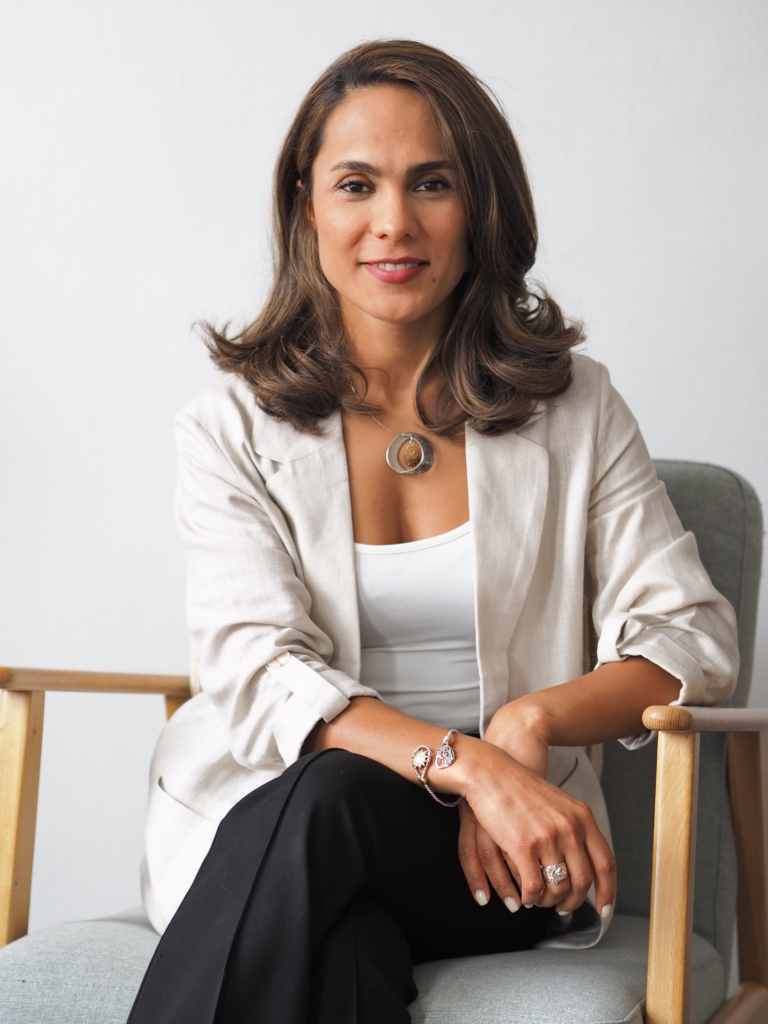
Anita Sedighi
Clinical Psychologist with a Trauma-Informed Approach
Certified Facilitator and Supervisor with The Center for Mind-Body Medicine
Program Structure and Participation
- One initial interview with each participant to explore individual needs and goals
- 8 weekly group sessions, each lasting 2 hours
- One follow-up session one month after the final group session
- Maximum group size: 12 participants
- To receive information about fees and payment options, please complete the registration form below